
In brief
-
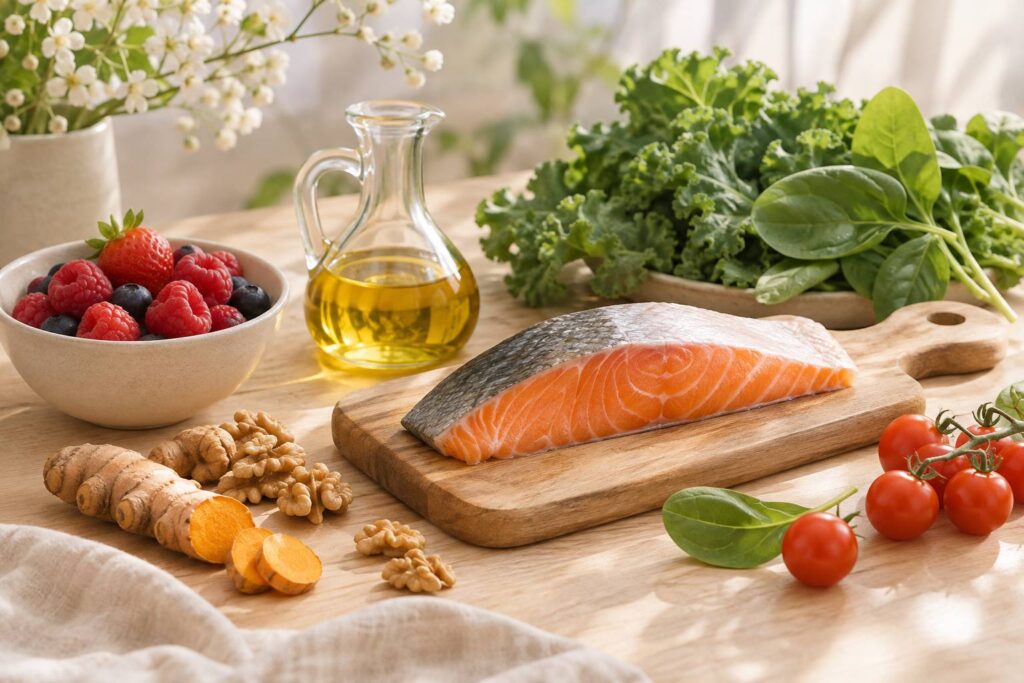
The anti-inflammatory diet favors plants, fibers, fatty fish, oils rich in unsaturated fatty acids, and minimally processed foods.
-
It does not treat an inflammatory disease on its own, but it can support the reduction of low-grade chronic inflammation.
-
The most useful food choices repeat throughout meals, without strict prohibition or searching for a unique food.
-
The gut microbiota, blood sugar, and oxidative stress explain much of the link between diet, energy, digestion, and well-being.
Understanding how the anti-inflammatory diet acts on the body
Inflammation is not an enemy to be silenced in all circumstances. During an infection, a sprain, or a wound, it mobilizes the immune system. The cells involved release cytokines, messengers that organize defense and tissue repair. A red, hot, swollen, and painful area after a trauma illustrates this acute response.
The problem arises when some inflammatory signals persist quietly for months or years. This chronic inflammation is often silent. It can accompany obesity, type 2 diabetes, certain cardiovascular diseases, osteoarthritis, or digestive disorders, without diet being the sole cause. Insufficient sleep, smoking, prolonged stress, low physical activity, and some diseases also contribute to this condition.
An anti-inflammatory diet does not replace medical treatment, but it daily modifies the metabolic messages received by the body. It aims less to “fight” the body than to regularly provide fibers, vitamins, minerals, and quality fats. This continuity counts more than a perfect meal or a very restrictive week.
Very sugary foods, refined flours, and some industrial preparations sometimes cause a rapid rise in blood sugar. The pancreas then secretes more insulin to allow glucose to enter cells. Repeated often, this succession of peaks can promote metabolic imbalance, especially when combined with a low-fiber diet and significant sedentary behavior. An isolated biscuit does not determine health. Frequency, quantity, and overall context guide the outcome.
Trans fats, present in some ultra-processed products, as well as an excess of saturated fats, can also contribute to a less favorable profile. Sugary drinks, frequent fried foods, charcuterie, regular alcohol, and large portions of red meat deserve to be observed calmly. Reducing them does not mean giving up conviviality. It can start by reserving these products for chosen occasions instead of letting them structure ordinary meals.
Health nutrition is based on a fairly simple idea. The least processed foods generally provide more fibers and micronutrients for an appropriate caloric density. A plate of lentils, roasted vegetables, fresh herbs, and olive oil nourishes a person differently than a meal composed of a sugary drink, white bread, and fried products. Satiety often lasts longer, while the microbiota receives useful fermentable fibers.
The Mediterranean model offers a coherent framework, without imposing a unique cuisine. It highlights vegetables, fruits, legumes, whole grains, nuts, seeds, olive oil, and fish. It also leaves room for family traditions, stewed dishes, and shared meals. A diet experienced with tension or constant control rarely lasts.
In the weeks following childbirth, this approach can be particularly realistic. Fatigue makes improvised meals more frequent and appetite can vary strongly, especially during breastfeeding. Preparing bottled chickpeas, uncooked frozen vegetables, eggs, whole grain bread, or sardines allows quickly composing a nourishing meal. It is not an additional requirement to bear. It is a way to support an already heavily demanded recovery.
New joint pain, worsening fatigue, involuntary weight loss, blood in stools, prolonged diarrhea, or fever justify a medical consultation. The plate can accompany care, but it should never delay the evaluation of a persistent or intense symptom.
Anti-inflammatory foods that support inflammation reduction
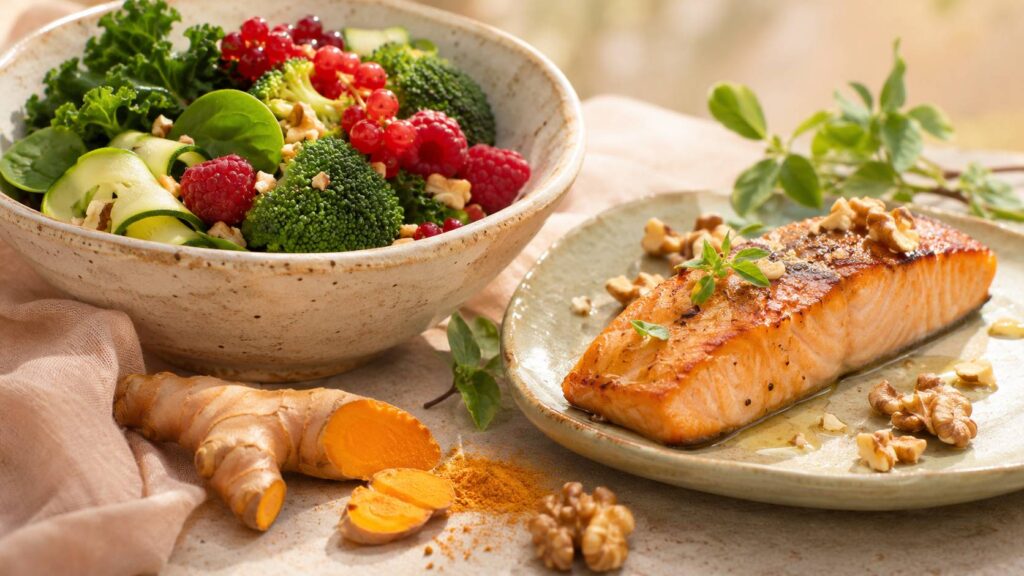
Anti-inflammatory foods do not all have the same role. Some provide polyphenols, these plant compounds found in colorful fruits, cocoa, tea, and many herbs. Others supply omega-3s, fibers, or bacteria from fermentation. Combining them over the week gives the body varied resources.
The most concrete guideline is to make plants the visible base of meals, raw or cooked according to your digestion and habits. Berries, citrus fruits, apples, pears, and seasonal fruits provide fibers and antioxidants. For vegetables, spinach, broccoli, cauliflower, carrots, squashes, tomatoes, and dried vegetables can alternate according to seasons and preferences.
Raw is not always superior to cooked. A crunchy salad preserves some vitamins sensitive to heat but can be hard to tolerate in case of fragile digestion. Cooking sometimes makes fibers more accessible. Cooked tomato better releases lycopene, a carotenoid studied for its antioxidant activity. Mixing a raw vegetable, a cooked vegetable, and a protein source in the same meal allows a very concrete diversity, without constant calculation.
Fatty fish, like sardines, mackerel, herring, or salmon, provide long-chain omega-3s. These lipids participate in the production of molecules involved in resolving the inflammatory response. Two servings of fish per week, including one fatty fish, are a commonly proposed guideline for adults, except in particular medical situations. During pregnancy and breastfeeding, variety of species and respect for recommendations on the most mercury-contaminated fish remain necessary.
Legumes also deserve a regular place. Lentils, white beans, split peas, and chickpeas combine fermentable fibers, plant proteins, and minerals. If they cause bloating, progressive introduction often helps. Rinsing canned legumes, cooking them sufficiently, and pairing with mild spices like cumin or fennel can improve tolerance. The microbiota sometimes adapts over several weeks, especially when fibers were previously rare.
| Food family | What it provides | Simple daily guideline |
|---|---|---|
| Varied fruits and vegetables | Fibers, vitamin C, polyphenols, and carotenoids | Add at least two colors on the main plate |
| Fatty fish and nuts | Omega-3 and unsaturated fats | Plan for fatty fish once a week and a small handful of nuts several days |
| Lentils, chickpeas, and beans | Fermentable fibers and plant proteins | Include them two to four times per week according to digestive tolerance |
| Olive oil and rapeseed oil | Unsaturated fatty acids and protective compounds | Use them for seasoning or cooking at moderate temperature |
| Plain yogurt and fermented foods | Lactic bacteria depending on the products | Choose those without excess added sugar and vary sources |
Green tea, coffee consumed in moderation, dark chocolate rich in cocoa, turmeric, ginger, and rosemary complete this food landscape. They do not compensate for an unbalanced diet. A very sugary ginger drink or chocolate containing mainly sugar does not produce the expected effect. The actual product composition remains more telling than the “detox” or “anti-inflammatory” label.
Spices are used in moderation. Turmeric is better valued when added to a dish containing a bit of fat and a pinch of pepper, but it can interact with some treatments, especially anticoagulants. In case of gallstones, digestive disease, high-risk pregnancy, or regular treatment, the doctor or pharmacist is the suitable contact before resorting to concentrated doses or supplements.
To deepen meal organization, this guide on the landmarks of an anti-inflammatory diet offers complementary reading. The goal remains to build a balanced diet compatible with real life, not a list of foods to watch anxiously.
The gut microbiota links food choices to well-being
The intestine is not only for digestion. It houses a collection of bacteria, viruses, yeasts, and other microorganisms called the gut microbiota. This environment participates in fiber digestion, production of certain metabolites, and dialogue with the immune system. Its composition varies according to diet, medications, infections, stress, sleep, and each person’s history.
Fibers feed certain intestinal bacteria that produce short-chain fatty acids, notably butyrate, useful for the intestinal barrier. An effective intestinal barrier helps control exchanges between digestive contents and the body. When weakened, inflammatory signals can strengthen in some people, without this allowing diagnosis based on simple symptoms.
Fibers are found in vegetables, fruits, oats, whole grains, legumes, seeds, and oilseeds. A sudden increase in their quantity can cause gas, pain, or accelerated transit. This reaction does not always mean they are unsuitable. Starting with an extra portion every three or four days, drinking enough, and favoring cooked vegetables can make the transition more comfortable.
Fermented foods, such as plain yogurt, kefir, some cheeses, unpasteurized sauerkraut, or miso, can also diversify microbial intake. Their effect depends on the product, the amount consumed, and the person. Very salty sauerkraut does not become a food to multiply without limit under the pretext of fermentation. Taste, tolerance, salt content, and the rest of the diet matter together.
Sensitive digestion deserves a cautious approach. Symptoms of irritable bowel syndrome may lead to temporarily reducing certain fermentable carbohydrates, but this approach is best supervised by a doctor or trained dietitian. Eliminating many food groups without support exposes to deficiencies and can amplify fear of eating. Exclusion diets are not a required step to well-being.
After childbirth, transit can be slowed by hormonal changes, perineal pain, a cesarean section, iron supplementation, or lack of sleep. In this context, increasing water, fiber-rich fruits, cooked vegetables, well-tolerated legumes, and whole grains can help progressively. Constipation that lasts, marked abdominal pain, vomiting, or blood in stools call for rapid medical advice.
The microbiota also interests parents of young children, as dietary diversification gradually builds habits and exposure to textures. In infants, however, recommendations are not those of adults. Fiber-rich foods, plant drinks, spices, or fermented products must be adapted to the child’s age, quantities, and development. For common skin issues in toddlers, these guidelines on different baby rashes can help distinguish a simple irritation from a situation needing examination.
The notion of dysbiosis is sometimes used as a universal explanation for fatigue, pain, or skin problems. It should not become a vague label. Persistent digestive discomfort deserves clinical analysis. Stools, pain, appetite, weight, medications taken, and family history provide much more information than an isolated commercial self-test.
A diverse diet supports long-term disease prevention, but it does not erase genetic or medical factors. It offers a more stable ground where the intestine, metabolism, and immunity receive less contradictory signals daily.
Reducing pro-inflammatory foods without falling into prohibition
An anti-inflammatory plate is not based on perfection. Strict restriction often produces the opposite effect. It increases mental load, isolates during shared meals, and favors episodes of compensation. The most sustainable strategy is to change the most frequent habits, one by one.
Reducing repeated exposure to ultra-processed products is more useful than trying to eliminate every imperfect food. The products involved often combine added sugars, salt, poor-quality fats, flavorings, and low fiber content. They are convenient, accessible, and sometimes reassuring during periods of fatigue. Replacing them therefore requires quick solutions, not a mandate to cook for a long time.
A breakfast composed of very sugary cereals can evolve towards oatmeal with a fruit, plain yogurt, and some nuts. An afternoon snack can combine whole grain bread, fresh cheese, and a pear. A dinner can be based on frozen vegetables, eggs, pre-cooked brown rice, and olive oil. These adjustments carry more weight than an expensive treatment done occasionally.
Beverages deserve discreet attention. Sodas, energy drinks, industrial iced teas, and large quantities of juice sometimes concentrate a lot of sugar without providing the satiety of a whole fruit. Water remains the reference drink. Unsweetened herbal teas, sparkling water, tea, or coffee can complement according to tolerance. In a breastfeeding person, caffeine passes in small quantities into milk, but a high intake can make some infants more restless. Staying around 200 mg of caffeine per day during pregnancy and breastfeeding is a commonly retained cautious guideline.
Alcohol has no proven benefit justifying starting consumption. It can disrupt sleep, increase certain health risks, and complicate recovery. During pregnancy, avoidance is recommended. In breastfeeding, the most protective option remains abstinence. If consumption occurs, seeking advice from a midwife, doctor, or early childhood professional allows receiving appropriate information without judgment.
Concrete actions to improve ordinary meals
-
Start by adding a vegetable or fruit to a usual meal for one week, without changing everything else.
-
Replace some refined products with whole grain bread, semi-whole rice, or legumes, considering your digestive comfort.
-
Keep simple options handy like unsalted nuts, sardines, eggs, frozen vegetables, and seasonal fruits.
-
Choose a main fat for regular cooking, such as olive oil or rapeseed oil, then vary according to recipes.
Acidic products do not automatically “acidify” the body. Blood pH is maintained in a narrow range by the lungs and kidneys. The idea of a great acid-base rebalancing through diet oversimplifies physiology. Fruits and vegetables have good reasons to be widely consumed, but not because they directly alter blood pH.
Family meals can remain flexible. A homemade pizza topped with vegetables, soup with whole grain bread slices, a pasta dish with tomato sauce and coral lentils can fit into this logic. Pleasure and regularity of meals also protect against a strained food relationship. Eating alone standing up, very quickly, and without real hunger becomes more frequent during the first months with a baby. Sitting for ten minutes for a simple plate is already a realistic form of care.
A painful relationship with food, significant restrictions, binge eating crises, rapid weight gain or loss, or overwhelming guilt around meals justify medical or psychological support. Reducing inflammation should never become a reason to lose peace with one’s body.
Building a balanced diet compatible with pregnancy and postpartum
Pregnancy and postpartum are periods where dietary advice circulates abundantly. Some promise to limit nausea, prevent every discomfort, or quickly regain one’s pre-pregnancy body. This pressure serves no one. Needs change, appetite fluctuates, and fatigue modifies concrete preparation possibilities.
During pregnancy and after birth, the goal is not to follow a restrictive diet but to cover nutritional needs with regular and varied meals. Proteins, iron, iodine, calcium, folates, vitamin D, and omega-3 fatty acids have a specific place depending on the medical situation. Follow-up with a midwife or doctor allows adjusting supplements when necessary, especially for iron or vitamin D.
Anti-inflammatory foods can be simply integrated within this framework. A porridge with oats, yogurt, and fruits provides energy and fibers. A warm salad of lentils, cooked carrots, pasteurized feta, and rapeseed oil combines several useful families. A dinner of sardines with potatoes, green beans, and lemon can be prepared quickly. Food safety remains a priority during pregnancy, with vigilance regarding raw products, raw milk cheeses according to recommendations, raw charcuterie, and some fish.
Vitamin D is involved in many functions, including immune regulation. It is found in limited quantities in the diet, notably in fatty fish and some enriched products. Cod liver oil is very rich, but its vitamin A content requires particular caution during pregnancy. Testing or supplementation is not decided based on fatigue alone. The professional managing the pregnancy knows the clinical context and adapted recommendations.
Breastfeeding increases energy needs variably. Hunger may become more present, especially in the first weeks. Planning satisfying and easy-to-grab snacks prevents long hours without eating. A banana with almonds, a slice of whole grain bread with hummus, a yogurt and fruit, or a vegetable soup with chickpeas are often more useful than seeking an ideal meal.
Skin can also change under the effect of hormones, stress, and lack of sleep. Dietary changes do not constitute treatment for acne or pregnancy mask (melasma). Appropriate sun protection and dermatological follow-up remain the most reliable guidelines for the skin during this period. Additional advice on preventing pregnancy mask helps better understand this common phenomenon.
Turmeric, concentrated ginger, plant, or antioxidant extract supplements are not harmless during pregnancy and breastfeeding. Their composition, dosages, and interactions vary. Common foods used in culinary quantities raise far fewer questions than highly dosed capsules. In case of inflammatory disease, diabetes, hypertension, thyroid disease, anticoagulant treatment, or digestive disorders, any significant change should be discussed with the referring professional.
Disease prevention is built with repeated gestures, but also with rest as soon as it becomes possible, support from those around, and symptom monitoring. A soothing diet is one that genuinely nourishes, respects the constraints of the moment, and does not add burden to an already intense period.
Which foods to favor in an anti-inflammatory diet?
Vegetables, fruits, legumes, whole grains, nuts, seeds, olive oil, rapeseed oil, and fatty fish form a coherent base. Variety counts more than a food presented as superior to all others.
Can chronic inflammation be reduced by diet alone?
Diet can help improve the metabolic condition and support the reduction of low-grade inflammation. However, an inflammatory disease, persistent pain, or significant symptoms require medical evaluation and sometimes specific treatment.
Are fermented products useful for the microbiota?
Plain yogurt, kefir, and some fermented vegetables can contribute to dietary diversity. Their interest depends on digestive tolerance, product quality, and the overall fiber intake.
Should sugar, gluten, or dairy products be completely eliminated?
No general exclusion is necessary without diagnosis or professional advice. Reducing added sugars and ultra-processed products is often relevant, while gluten or dairy should only be removed if clearly indicated.