
In brief:
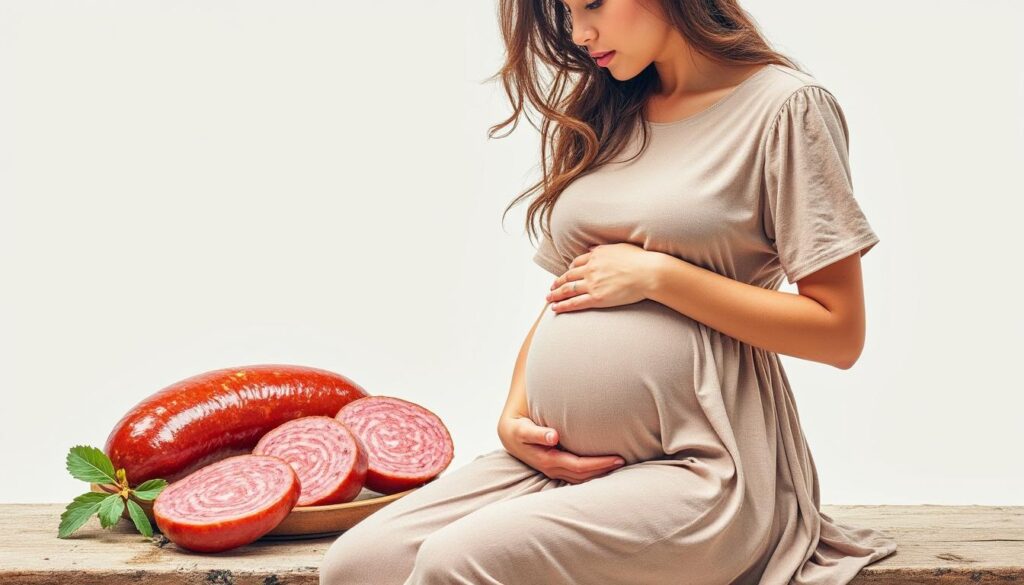
- Cervelas is a cooked charcuterie made from pork, sometimes enhanced with beef and spices, which can be consumed during pregnancy provided it is well reheated.
- Eating raw or cold cervelas poses bacterial risks, notably listeriosis and toxoplasmosis, harmful to the mother and fetal development.
- Pre-cooking cervelas, with an internal temperature of at least 70°C, eliminates most bacteria, thus ensuring safer consumption during pregnancy.
- From a nutritional standpoint, cervelas provides iron, proteins, vitamin B12, and phosphorus, essential elements for pregnancy, provided it is consumed in moderation due to its salt content.
- It is preferable to favor cooked and well-preserved charcuterie, avoiding raw preparations such as dry sausage and raw ham, to limit food risks during pregnancy.
Understanding Cervelas: a cooked charcuterie with multiple facets
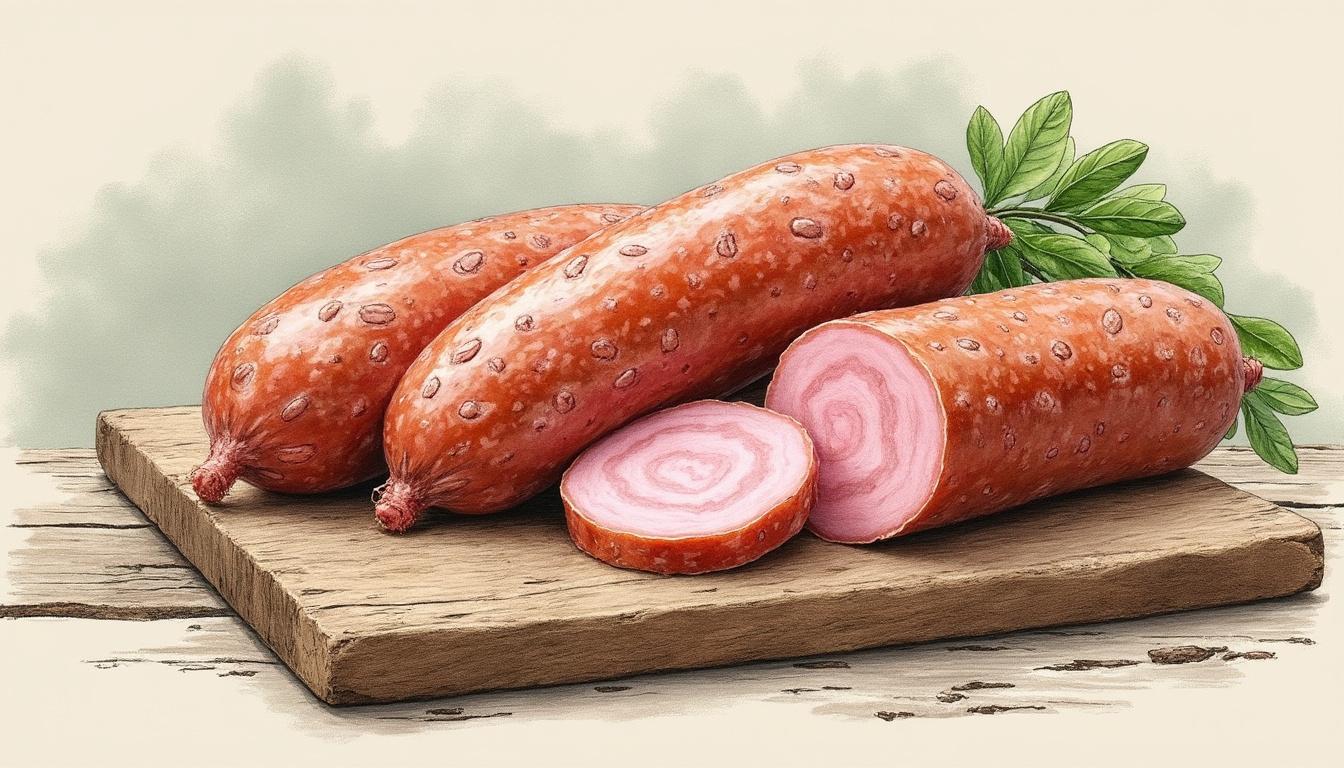
Within the vast family of charcuterie, cervelas holds a special place, particularly in the regions of Alsace and Northern France. This specialty, recognizable by its cylindrical shape of about ten centimeters, stands out by its red or ocher skin and its composition rich in pork, sometimes mixed with beef. The addition of specific spices often flavors this preparation, making it a dish appreciated both raw and hot.
Cervelas derives its originality from its nature as a cooked charcuterie, which means the meat undergoes a prior cooking during its manufacture. This process is a major asset when it comes to consumption during pregnancy, as it considerably reduces the presence of bacteria responsible for harmful infections such as listeriosis or toxoplasmosis. Unlike dry or uncooked charcuterie, cervelas thus stands out with a better guarantee of food safety – a crucial concept for pregnant women.
Yet, the common use in Alsace is to eat it cold, in salads or as appetizer slices. This habit, carrying local gastronomic charm, raises a legitimate question about the safety of this practice for pregnant women. It is essential to understand well that despite the initial cooking, poor preservation or defective packaging can open the door to bacterial contamination which requires additional precautions, notably reheating before consumption.
The cultural richness surrounding cervelas therefore necessarily comes with increased vigilance to preserve maternal and fetal well-being. Cervelas is much more than a simple dish: it embodies a gustatory tradition that deserves to be savored with discernment and respect for food safety rules. This nuance accompanies any reflection on its inclusion in a balanced and safe pregnancy diet.
Safe consumption of cervelas during pregnancy: precautions and recommendations
Appreciated for its flavor and texture, cervelas is not without risks when it comes to consumption by pregnant women. Indeed, pregnancy modifies maternal immune vulnerability, making the system more sensitive to foodborne infections that can affect the baby’s health. Toxoplasmosis, listeriosis, and salmonellosis are the main threats to monitor carefully.
Cervelas, being a cooked charcuterie, is generally less risky than raw products. Nevertheless, its consumption cold is not recommended throughout pregnancy. Juliette Teyletche, a renowned dietitian-nutritionist, emphasizes the necessity to always re-cook cervelas bought vacuum-sealed or stored in the refrigerator before eating. Heating the sausage for ten minutes in a pan or fifteen minutes in an oven at 180°C allows reaching a minimum internal temperature of 70°C, thus eliminating most pathogenic bacteria.
Respecting this step is a simple but effective measure to reduce food risks. Indeed, bacteria responsible for listeriosis or botulism can proliferate under inadequate storage conditions, particularly in vacuum packaging. The increased sensitivity of pregnant women highlights the importance of strict cold chain control and purchasing from reliable and recognized suppliers.
In this sense, avoiding consuming raw cervelas, in cold salad or slices right after opening the package, is a considerate advice protecting maternal and fetal health. This simple precaution finds a subtle balance between culinary pleasure and essential nutritional vigilance during pregnancy.
Example of safe preparation: Alsatian-style baked cervelas
To reconcile tradition and safety, a typical recipe consists of cutting the cervelas in half, inserting a slice of cheese (emmental or gruyère), and wrapping the whole with thin slices of smoked bacon before baking. This tasty dish, often served with potatoes, offers both warmth and reassurance for winter meals. An elegant and gourmet way to include cervelas in a healthy pregnancy diet, dedicating careful attention to cooking.
The nutritional contribution of cervelas: benefits and limits during pregnancy
Beyond its gustatory and safety aspects, cervelas also presents notable nutritional benefits that deserve to be highlighted in the context of pregnancy. This period is marked by increased needs for certain nutrients to support the harmonious development of the fetus and maternal health.
Cervelas notably contains iron, a trace element essential for the formation of red blood cells and for preventing frequent anemia during pregnancy. The significant presence of proteins also contributes to building the baby’s muscle tissues as well as maintaining the mother’s muscle mass. Vitamin B12, exclusively of animal origin, is crucial for fetal neurological development and the integrity of the central nervous system. Furthermore, the traditional composition of cervelas often includes pork brain, a source of phosphorus, which plays an important role in bone and brain growth.
However, these qualities justify measured consumption. Indeed, the salt (sodium) content of cervelas can be problematic, especially if the expectant mother has a tendency to hypertension or high cholesterol. Salt promotes water retention and can worsen certain pregnancy-specific disorders, such as edema. Consequently, limiting consumption frequency avoids imbalances while benefiting from the product’s valuable contributions.
| Nutrient | Role during pregnancy | Presence in cervelas |
|---|---|---|
| Iron | Essential for hemoglobin production and anemia prevention | Yes, in significant amounts |
| Proteins | Construction of maternal and fetal muscle tissues | Present in high quantity |
| Vitamin B12 | Neurological development of the fetus | Yes, originating from meat |
| Phosphorus | Bone and brain formation | Provided by pork brain in the traditional recipe |
| Sodium (salt) | Should be consumed in moderation, risk of edema and hypertension | High, requires attention |
Food risks related to cervelas during pregnancy: points of attention
The main concerns around cervelas during pregnancy largely concern the inherent food risks related to charcuterie. Even cooked, charcuterie can harbor certain bacteria if poorly preserved or handled, notably the well-known germs responsible for listeria and toxoplasmosis. These pathogens prove particularly dangerous for the fetus, likely to cause severe complications, malformations, or even miscarriages.
Listeriosis manifests by symptoms that may seem mild for the mother, such as fever or digestive issues, but can severely impact embryonic development. As for toxoplasmosis, although less common, it represents a significant threat and justifies extreme vigilance. Moreover, consuming raw or insufficiently cooked cervelas increases the infection risk, especially if the cold chain is weak or the packaging is poorly sealed.
Another threat, botulism, although rare, is sometimes linked to cervelas sold in cans or vacuum packs. This toxin can cause neurological symptoms in the mother, while fetal transmission remains exceptional. Rapid detection is crucial to limit consequences, reinforcing the need to choose controlled, properly sterilized products and to respect recommended temperatures.
In summary, although cervelas can be part of the pregnant woman’s menu, its introduction must follow strict food safety rules – notably regarding packaging control, cooking temperature, and reliable origin. These measures help preserve the unique bond between mother and child, in the gentleness and serenity of an essential nourishing balance.
How to choose and integrate cervelas into a pregnancy diet with confidence?
For cervelas to integrate harmoniously into a healthy and safe pregnancy nutrition, some simple rules must be observed. One of the first recommendations is to buy this product exclusively from reliable producers or brands, where hygiene and preservation rules are strictly respected. For example, cervelas marketed under the Herta brand, very common, contains about 80% pork meat and various additives such as sodium nitrite and preservatives. It is important to check the expiration date and never ignore any possible packaging alteration.
The safest practice remains always to re-cook cervelas before consumption, even when the product is labeled “cooked.” Passing it through a pan, grill, or oven eliminates potential germs and offers a warm, more reassuring taste experience for the pregnant woman. In addition, alternating with other protein sources that provide the same nutrients – well-cooked white meat, low-mercury fish, eggs – promotes a balanced and varied pregnancy diet.
- Prefer cooked charcuterie (white ham, mortadella, well-preserved bacon).
- Strictly avoid raw or dry charcuterie (dry sausage, raw ham, chorizo).
- Check cold storage and expiration date.
- Prioritize cooking at a sufficient temperature (minimum internal 70°C).
- Ensure no alterations of vacuum packaging.
By following these guidelines, the expectant mother contributes effectively to ensuring food safety while enjoying a gustatory diversity that supports overall well-being. Each dietary step thus becomes a delicate attention focused both on the body that welcomes life and on the emotion that links mother and child.
Is cervelas completely forbidden during pregnancy?
No, cervelas is not forbidden, but it must be consumed thoroughly hot, after reheating to eliminate bacterial risks.
What are the risks if I eat cold cervelas while pregnant?
Eating cold cervelas increases the risks of listeriosis and toxoplasmosis, which can cause complications for the baby. It is therefore advised to reheat it beforehand.
How to recognize a quality cervelas suitable for pregnancy?
It is recommended to choose cervelas sold by a reliable producer, with intact packaging, respected expiration date, and to re-cook before consumption.
Can I substitute cervelas with other charcuterie during pregnancy?
Yes, favor cooked charcuterie such as white ham or mortadella, while ensuring proper storage and cooking conditions.
What essential nutrients does cervelas provide during pregnancy?
Cervelas provides iron, proteins, vitamin B12, and phosphorus, which support maternal and baby’s blood, muscle, and brain health.