Accept irregularity
One day is not like another. A baby who has slept through the night for 3 days may wake up 4 times on the 4th day. This is normal and linked to their growth calendar.
Between 2 and 3 months, your baby slowly leaves the newborn world to become a curious and expressive infant. Discover how to support this fascinating metamorphosis.

If the first month was about mutual adaptation (as we explored on the Baby at 1 month page), the period from 2 to 3 months is about blossoming. In 2026, neuroscience confirms that this time window is crucial for establishing the foundations of communication and emotional regulation. Your child begins to perceive the world with new clarity, and every interaction becomes a learning opportunity.
Increased neck and trunk tone allows the baby to begin holding their head up with confidence.
Vision sharpens, allowing them to follow moving objects and stare at faces intensely.
The first babbles and intentional smiles transform the relationship into a true exchange.
During these two months, your infant's weight and height growth remains rapid. On average, a baby gains between 800g and 1kg per month at this stage. However, it is essential to remember that the growth curve is individual. Rather than worrying about an absolute number, pediatricians in 2026 prioritize the regularity and harmony of weight, height, and head circumference curves.
The most striking development is the strengthening of neck muscles. At 2 months, during tummy time, baby manages to lift their head to 45 degrees. At 3 months, this elevation often reaches 90 degrees, and control is much more stable. This step is fundamental for the future acquisition of the sitting position (which you can anticipate by consulting Baby Sitting Up).
Expert Tip: Increase "Tummy Time" moments several times a day, but always under supervision and when baby is wide awake. This prevents plagiocephaly (flat head) and strengthens gross motor skills.

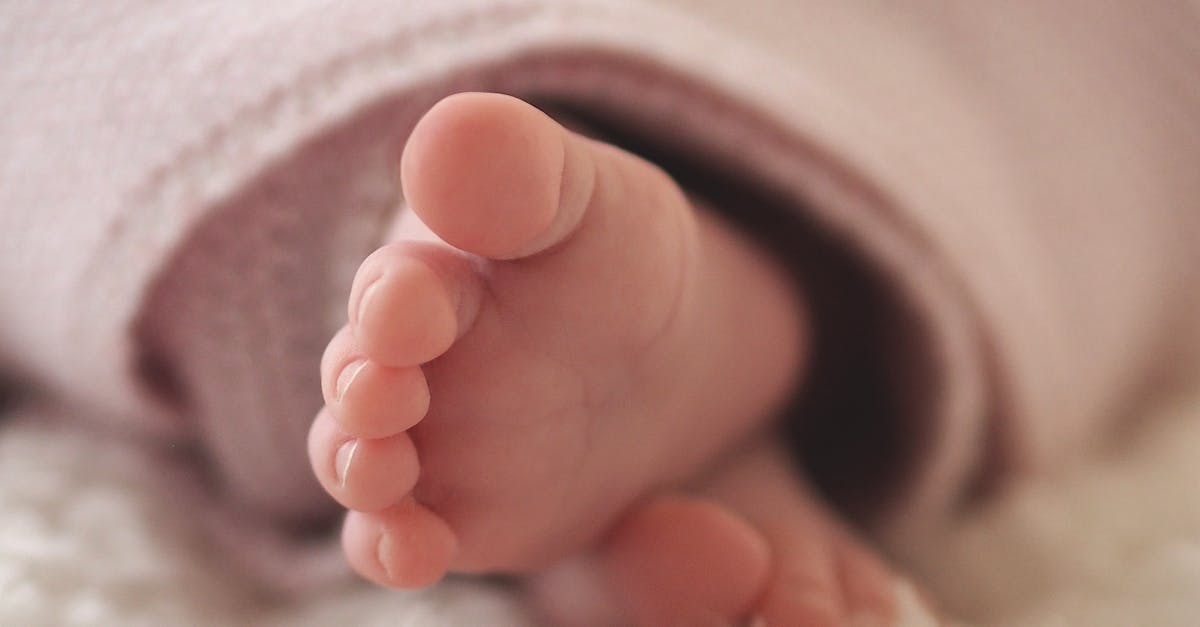

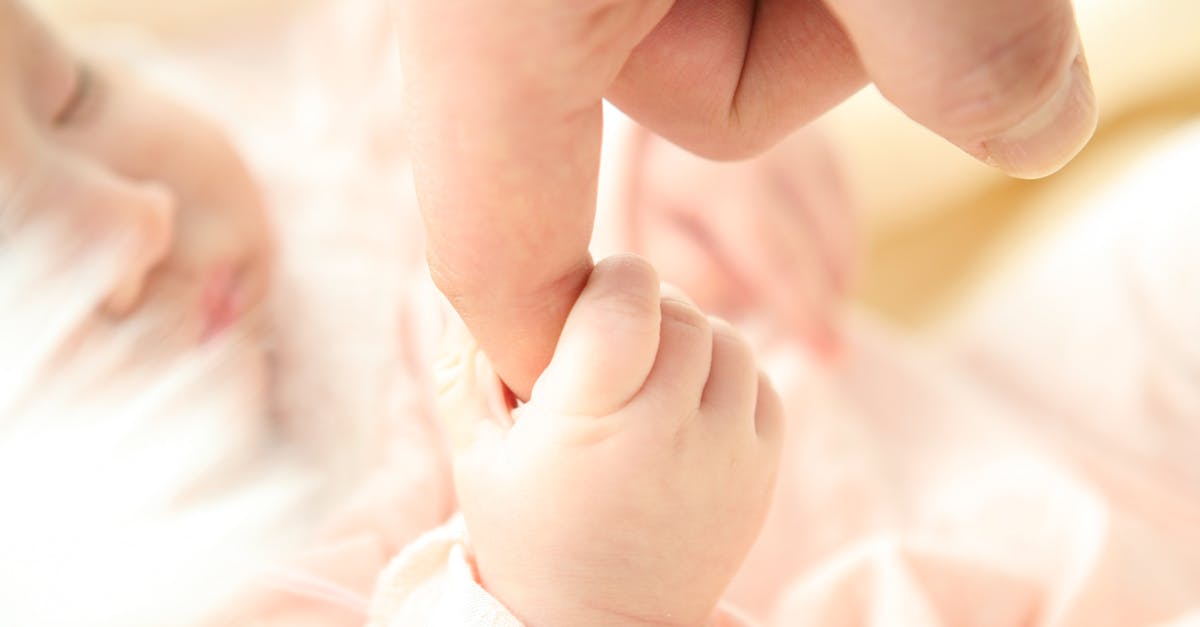
Your baby's brain processes sensory information at lightning speed. At 3 months, binocular vision is established, allowing them to perceive depth.

They can now follow a colored object or a face moving in a 180-degree arc in front of them. This is the beginning of active exploration of their visual environment.
Their ability to locate the source of a sound is sharpening. They turn their head towards you as soon as they hear your voice, showing their growing attachment bond.
Around 2 and a half months, baby discovers they have hands. They observe them for a long time, bring them to their mouth, and begin to practice fine motor skills by trying to grasp hanging objects.
Estimate typical wake and rest cycles to organize your day peacefully.
Enter wake-up time to see a suggested rhythm based on 90-minute wake cycles.
At 3 months, sleep begins to consolidate. Nighttime sleep periods can lengthen, sometimes reaching 5 to 6 consecutive hours. However, do not be alarmed if your baby still wakes up several times: the infant's sleep cycle is still under construction. Total sleep volume over 24 hours is around 15 to 17 hours.
Bedtime routine: Establishing a calm ritual (warm bath, massage, soft song) helps signal to baby that the night is beginning.
Safety: Always lay baby on their back in a compliant crib, on a firm mattress and without pillows or blankets.
Temperature: Keep the room between 18°C and 20°C for optimal comfort and respiratory safety.

Whether breastfed or formula-fed, baby is regulating their needs better and better. The number of feedings often decreases (around 5 to 7 per 24h) while the volume of each meal increases. If you are returning to work soon, now is the time to anticipate building a breast milk supply or gradually introducing the bottle if necessary.
Good news: the digestive system is gaining maturity. Infant colic, so trying in the first few weeks (see First Days), tends to fade towards the end of the 3rd month. Baby is less restless after meals and late-day crying decreases in intensity.
"In 2026, demand feeding remains the reference. Learn to decode early hunger signs (lip movements, hands to mouth) before crying appears."
A rigorous schedule to ensure harmonious growth and optimal vaccination protection.

Consult immediately in case of: Fever over 38°C, sudden change in behavior (lethargy or inconsolable crying), total refusal of food over several meals, or fewer than 5 wet diapers in 24 hours.
The 2-3 month period is often marked by a resurgence of fatigue. The aftermath of childbirth and the first sleepless nights makes itself felt. Yet, this is the time when communication with your child becomes the most rewarding.
One day is not like another. A baby who has slept through the night for 3 days may wake up 4 times on the 4th day. This is normal and linked to their growth calendar.
Babywearing in a wrap or physiological baby carrier is an excellent solution to free your hands while meeting the child's need for proximity.
Take the time to talk to your baby, to respond to their coos. This is where Baby's Language begins.

At 3 months, it is unlikely (though possible). This behavior is generally linked to the development of salivary glands and the sensory discovery of their hands and mouth. It is a stage of oral awakening.
It is strongly discouraged to artificially sit up a baby who does not hold themselves up alone. Their back is not ready. Always prioritize lying flat on the floor, which promotes healthy and natural motor development.
Slight intermittent strabismus is common until 3 or 4 months, as the eye muscles coordinate. If it is permanent or persists after 4 months, a consultation in pediatric ophthalmology is recommended.