The Secret Language of Primitive Reflexes
Long before the first steps, your child's body is inhabited by automatic and fascinating movements. Discover how these primitive reflexes draw the map for their future physical and emotional development.

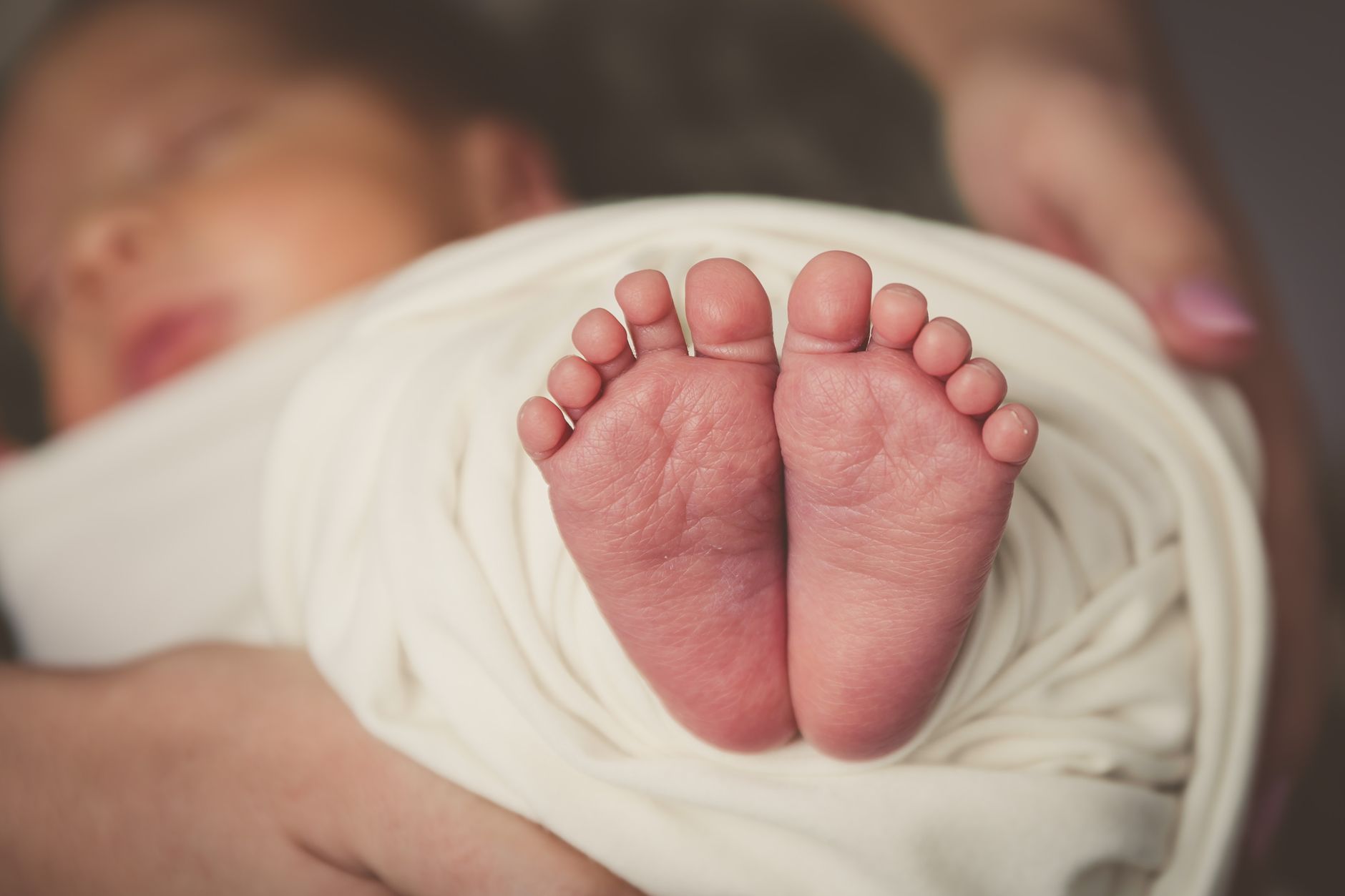
What is a Primitive Reflex?
Primitive reflexes, or neonatal reflexes, are involuntary, automatic, and stereotyped motor reactions present at birth, and for some, as early as intra-uterine life. They are indicators of the newborn's nervous system integrity.
Survival
These reflexes are genetically programmed to ensure immediate survival. They allow for breathing, feeding (sucking), and reacting to potential danger from the first seconds of life.
Protection
Certain reflexes act as a biological safety system. The Moro reflex, for example, helps the baby cling to its mother or alert in case of a sudden loss of balance.
Learning
They constitute the building blocks of voluntary motor skills. By practicing, the baby "strengthens" its neurological system to prepare for first steps and fine manipulation.
"A reflex that does not integrate is like an app running in the background on a smartphone: it unnecessarily consumes energy and slows down the overall system."
The Dynamics of Evolution
Emergence
Many reflexes appear in utero. For example, the sucking reflex is already visible on ultrasound when baby sucks their thumb. They prepare the body for the terrestrial environment.
Exercise Phase
During the first days and months, the baby uses these reflexes intensively. This is an essential maturation phase for the reptilian brain.
Inhibition (Integration)
Between 6 months and 1 year of age, these reflexes should "fade" or integrate into more complex and voluntary movements. They do not disappear; they become the solid foundation upon which controlled motor skills rest.
Reflex Maturation Simulator
In 2026, science allows us to better visualize integration windows. Click on a reflex to discover its ideal timeline.
"This is the newborn's involuntary response to sudden stimulation or a sensation of falling. The baby spreads its arms and then pulls them back in."
Future impact if not integrated:
Sensory hypersensitivity, anxiety, concentration difficulties.
Focus on the 6 Pillars of Motor Skills
A detailed analysis of the reflexes you will observe during your child's birth examinations.
1. The Moro Reflex
It is the "survival" reflex par excellence. Triggered by a loud noise or a loss of support, it causes a sudden extension of the limbs. If it persists after 4 months, it may be linked to emotional hyper-reactivity or significant fatigability.
Link: Vestibular & Emotional
2. Sucking-Swallowing
Indispensable for feeding. As soon as an object touches the palate, the baby sucks. This reflex must become voluntary to allow for dietary diversification and later, proper articulation of language.
Link: Nutrition & Orality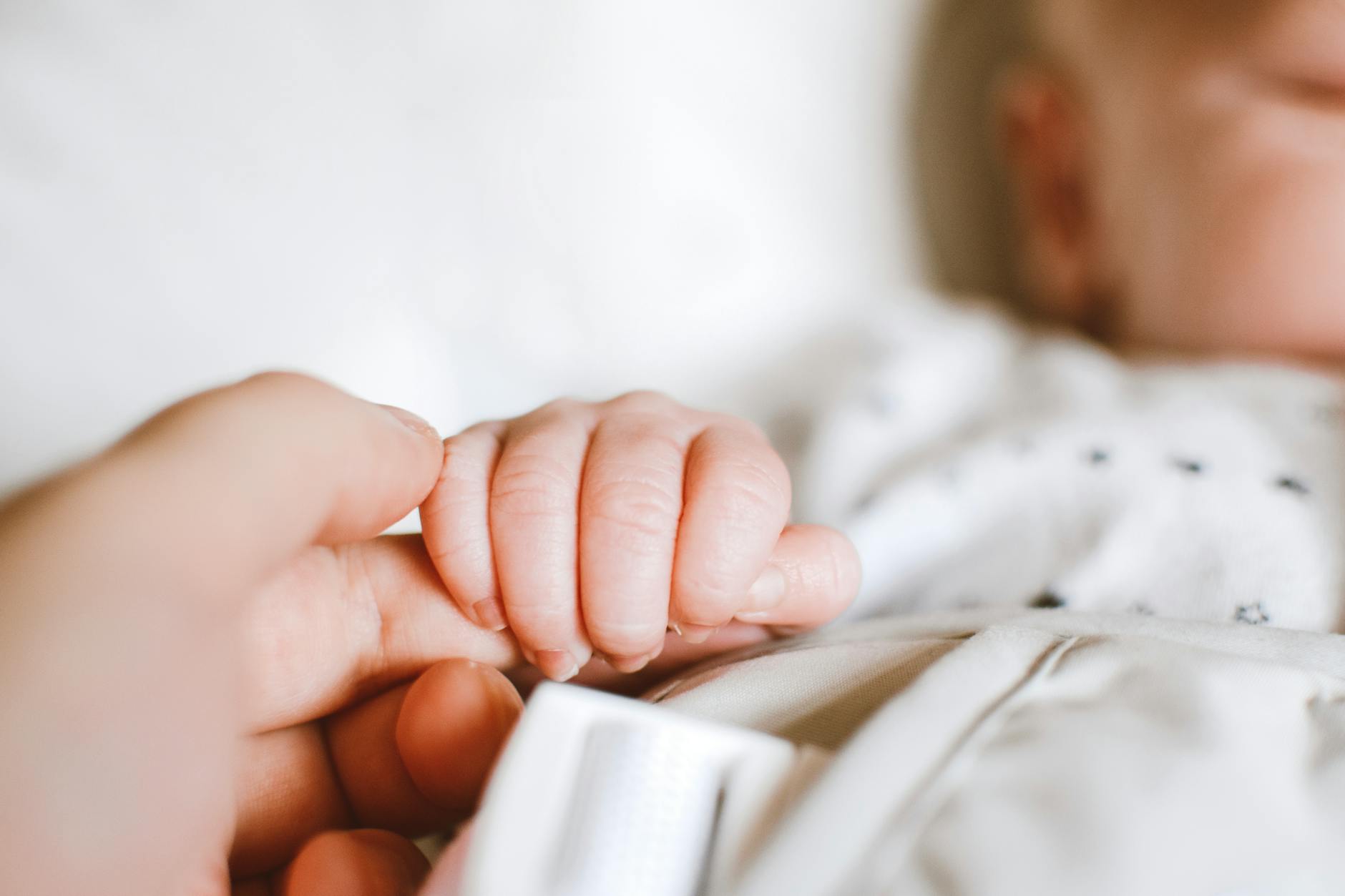
3. Grasping Reflex
Press baby's palm and they will close their fingers with surprising strength. This reflex prepares fine motor skills. Its integration is crucial for future writing and manual dexterity.
Link: Prehension & Manipulation
4. Automatic Walking
Held under the armpits with feet touching a surface, the newborn makes stepping motions. Although fascinating, this movement disappears around 2 months to make way for the muscle strength needed for real walking.
Link: Locomotion & Balance
5. The Babinski Reflex
By stimulating the outer edge of the sole of the foot, the big toe stands up while the others fan out. It testifies to the proper development of the pyramidal tract (brain-spinal cord). It generally integrates before the age of 2.
Link: Central Nervous System
6. The Swimming Reflex
Placed belly-down in water, the baby holds its breath and makes paddling movements with its arms and legs. Warning: this reflex does not prevent drowning and disappears around 4-6 months.
Link: Hydro-Motor CoordinationPsychological and Emotional Impact
Primitive reflexes are not just physical mechanics. They are intimately linked to the attachment bond and inner security.
Self-Confidence
A child who has well integrated their protective reflex (Moro) feels safer in their environment and dares to explore more.
Stress Management
The persistence of certain reflexes keeps the body in a permanent state of alert, favoring anxiety and sleep disorders.
Cognitive Learning
Motor skills are the foundation of intelligence. Good integration releases cognitive capacities for reading, math, and focus.

Facial Reflexes: Gateways to Communication

Rooting of the Senses
The rooting reflex helps the baby turn its head toward a food source and stimulates its sense of smell and facial touch.

Emotional Expression
First smiles (often called "reflexive smiles") are facial relaxation reflexes before becoming true social communication tools around 2 months.
Foundations of Articulation
Coordination between the tongue, lips, and breathing during oral reflexes lays the neurological foundations for future speech.
Primary Motor Integration (IMP)
IMP is an innovative synthetic approach that allows for detecting, evaluating, and correcting persistent primitive reflexes. In 2026, this method is increasingly used by psychomotor therapists and osteopaths.
It offers gentle movements and sensory self-stimulations to "reset" the nervous system, whether for an infant, a student with learning disabilities, or even a stressed adult.
When to consult?
- Persistent feeding difficulties
- Marked hypertonia or hypotonia
- Delay in growth milestones
- Excessive startling at the slightest noise

Parent Questions
Is it serious if my baby doesn't have all their reflexes at birth?
The absence of a reflex is important information for pediatricians during initial check-ups. It may indicate temporary neurological immaturity or require further investigation. However, every child is unique.
My 6-month-old baby still has the Moro reflex, what should I do?
At 6 months, the Moro reflex should be in an advanced stage of integration. If it is still very active, speak to your pediatrician or a psychomotor specialist. Floor play and massage can help with integration.
How can I encourage reflex integration at home?
The secret lies in freedom of movement. Avoid leaving baby in restrictive devices (bouncers, walkers) for too long. Encourage tummy time on the floor to naturally stimulate their senses.
Support every step of progress
Follow your child's development month by month with our complete guide and receive personalized advice.
Discover baby's 1st month